An accent wall can elevate any room from ordinary to extraordinary, adding depth, character, and a focal point that ties the entire space together. But choosing the right wall and design can be overwhelming. This guide will walk you through the essential steps to select the ideal accent wall that complements your style and enhances your home’s aesthetic.
Identify the Purpose of Your Accent Wall
Before diving into colors or patterns, consider why you want an accent wall. Is it to create a focal point, add visual interest, or highlight architectural features? Understanding the purpose will guide your choices. For example, a bold color might draw attention to a fireplace, while textured wallpaper could soften a modern room.
Choose the Right Wall
Not every wall is suited to be an accent wall. Select one that naturally draws the eye, such as the wall behind a bed, sofa, or dining table. Avoid walls with too many doors or windows, as they can disrupt the design. The goal is to create a balanced and cohesive look.
Pick Colors and Patterns that Complement Your Space
Your accent wall should harmonize with the room’s existing color scheme and decor. If your room is neutral, consider bold hues or intricate patterns. For vibrant spaces, opt for subtle tones or textures. Test paint samples or wallpaper swatches in different lighting to ensure the final result aligns with your vision.
Experiment with Materials and Textures
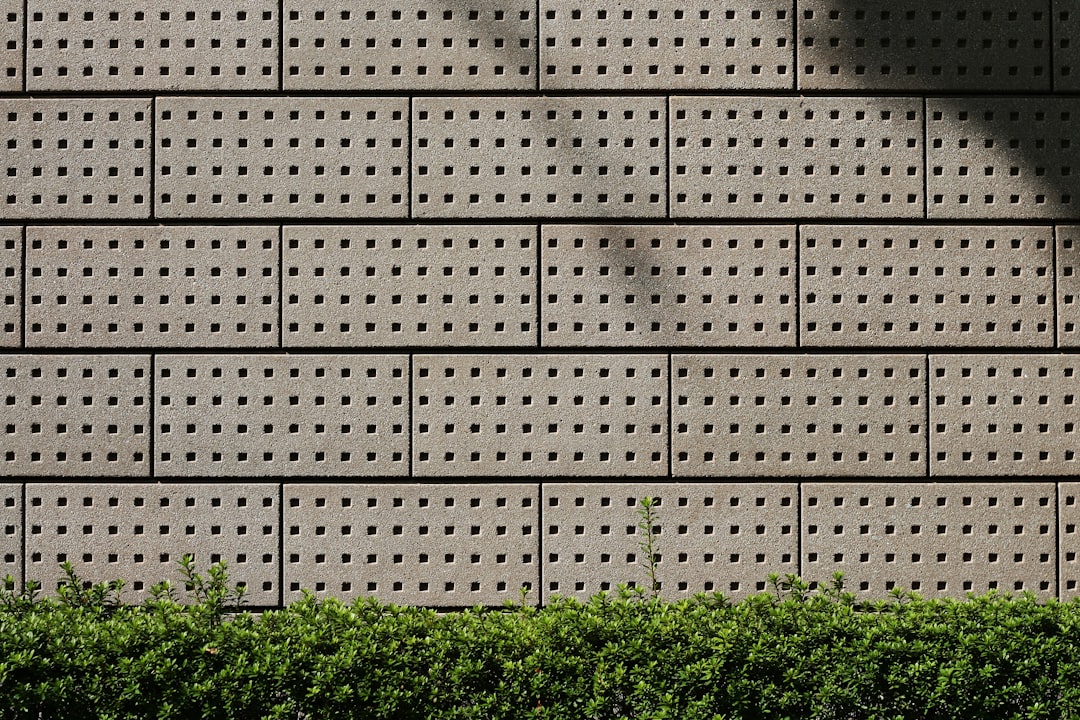
An accent wall doesn’t have to be painted. Explore materials like wood paneling, brick, or tile for a unique touch. Textured finishes, such as stucco or grass cloth, can add depth and dimension. These options work especially well in rooms where you want to create a tactile experience.
Balance the Room’s Elements
Your accent wall should enhance the room, not overpower it. Ensure the design complements furniture, artwork, and other decor elements. If your wall is bold, keep the rest of the room understated. Conversely, a subtle accent wall can shine in a room with vibrant furnishings.
- Purpose Decide if you want to highlight a feature or add visual interest.
- Wall Selection Choose a wall that naturally draws attention.
- Color and Pattern Pick hues and designs that complement your decor.
- Materials Experiment with textures like wood, brick, or tile.
- Balance Ensure the accent wall harmonizes with the room’s elements.
An accent wall is a powerful design tool that can transform your space when done right. By considering the purpose, choosing the right wall, and balancing colors and textures, you can create a stunning focal point that reflects your personal style. Ready to get started? Take the plunge and watch your room come to life!
References