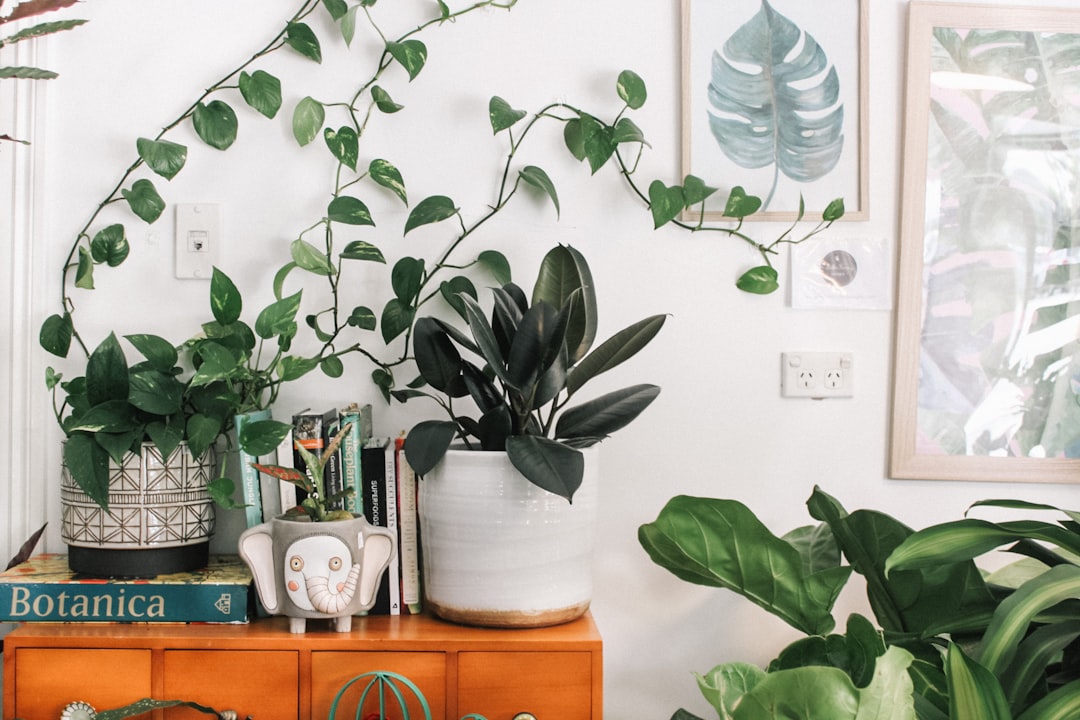
Indoor plants are more than just decorative elements; they bring life, freshness, and tranquility to your home. However, keeping them healthy and vibrant requires more than just occasional watering. Whether you’re a seasoned plant parent or a beginner, this guide will walk you through the essential steps to maintain indoor plants and ensure they flourish year-round.
Choose the Right Plants for Your Space
Not all plants thrive in the same environment. Consider factors like light availability, humidity, and space before selecting your indoor plants. For lowlight areas, opt for plants like pathos or snake plants. If you have a sunny window, succulents or fiddle leaf figs are excellent choices. Matching the plant to your home’s conditions is the first step toward success.
Master the Art of Watering
Overwatering is the most common cause of indoor plant death. Each plant has unique watering needs, so research your specific species. A general rule is to water when the top inch of soil feels dry. Use pots with drainage holes to prevent waterlogging, and always empty the saucer beneath the pot to avoid root rot.
Provide Adequate Light
Light is crucial for photosynthesis, but not all plants require direct sunlight. Places unloving plants near south-facing windows and shade-tolerant ones in indirect light. Rotate your plants regularly to ensure even growth. If natural light is limited, consider using grow lights to supplement their needs.
Maintain Proper Humidity Levels
Many indoor plants, especially tropical varieties, thrive in humid environments. If your home is dry, increase humidity by misting your plants, using a humidifier, or placing a tray of water near them. Grouping plants together also helps create a microclimate with higher humidity.
Fertilize Regularly
Indoor plants rely on you for nutrients since they can’t access natural soil ecosystems. Use a balanced fertilizer during the growing season (spring and summer) and reduce feeding in fall and winter. Follow the instructions on the fertilizer packaging to avoid overfeeding, which can harm your plants.
- For beginners Start with low maintenance plants like snake plants or pathos.
- For busy individuals Choose drought tolerant plants like succulents or ZZ plants.
- For plant enthusiasts Experiment with finicky plants like orchids or fiddle leaf figs.
Maintaining indoor plants is a rewarding journey that enhances your living space and connects you with nature. By following these tips, you can create a thriving indoor garden that brings joy and tranquility to your home. Ready to transform your space? Start your indoor plant journey today!
References