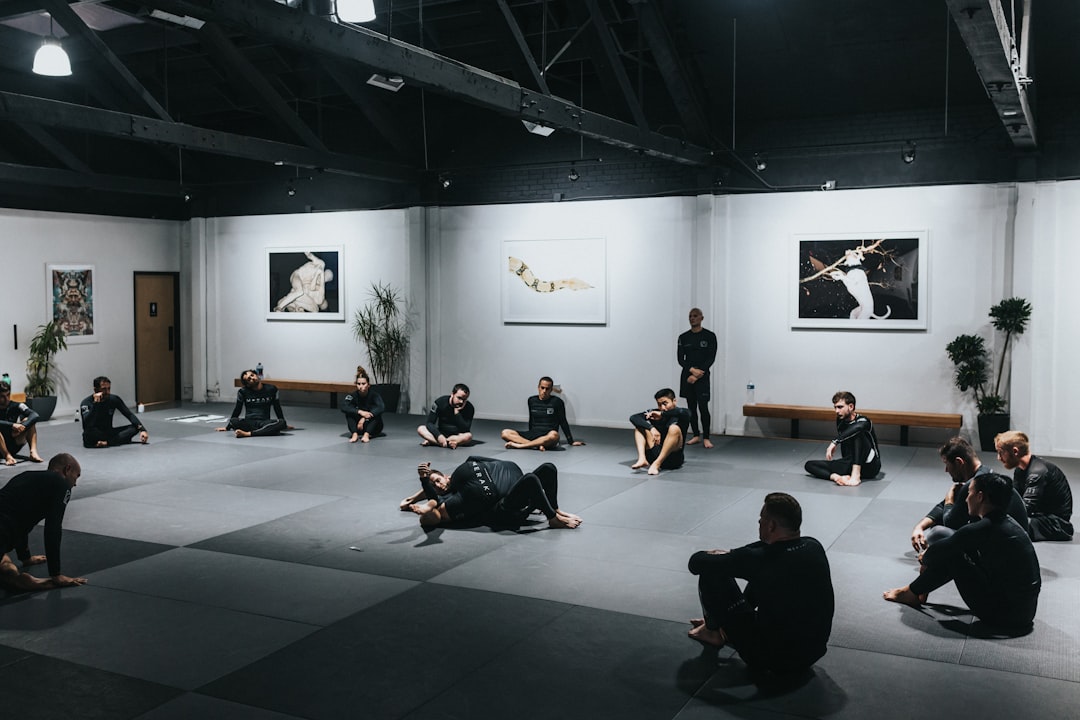
Flexibility is more than just touching your toes or doing a split—it’s about mobility, injury prevention, and overall wellbeing. Whether you’re an athlete, a desk worker, or simply looking to move with ease, improving flexibility can transform your daily life. This guide will walk you through practical steps to enhance your range of motion, reduce stiffness, and feel more agile in no time.
Start with Dynamic Stretching
Dynamic stretching involves controlled movements that take your muscles through their full range of motion. Unlike static stretching, which holds positions for long periods, dynamic stretches warm up the body and prepare it for activity. Examples include leg swings, arm circles, and walking lunges. Incorporating these before workouts can improve performance and reduce injury risks.
Incorporate Yoga into Your Routine
Yoga is a powerful tool for increasing flexibility while also building strength and balance. Poses like downward dog, pigeon pose, and seated forward bends target tight muscles and promote relaxation. Even just 1015 minutes of yoga daily can lead to noticeable improvements over time. Online classes or apps make it easy to practice at home.
Focus on Consistency Over Intensity
Flexibility gains come from regular practice, not occasional intense stretching. Aim for short, frequent sessions rather than marathon stretching once a week. Even five minutes of stretching each morning or before bed can make a difference. Listen to your body and avoid pushing too hard to prevent strains.
Use Foam Rolling for Muscle Recovery
Foam rolling, or self myofascial release, helps loosen tight muscles and improve blood flow. By applying pressure to specific areas, you can break up knots and adhesions that limit flexibility. Focus on common tight spots like calves, hamstrings, and shoulders. Pair foam rolling with stretching for optimal results.
Stay Hydrated and Nourished
Muscles and connective tissues need proper hydration and nutrients to remain supple. Dehydration can lead to stiffness and cramping, while a diet rich in anti-inflammatory foods (like leafy greens and fatty fish) supports tissue health. Drinking enough water and eating balanced meals complements your flexibility efforts.
- Beginners Start with 510 minutes of dynamic stretching daily.
- Intermediate Add yoga or foam rolling 34 times a week.
- Advanced Combine deep stretching, mobility drills, and recovery techniques.
Improving flexibility is a journey that requires patience and dedication. By integrating these strategies into your routine, you’ll notice greater ease in movement, reduced discomfort, and enhanced physical performance. Ready to take the next step? Commit to one small change today and watch your flexibility soar.
References