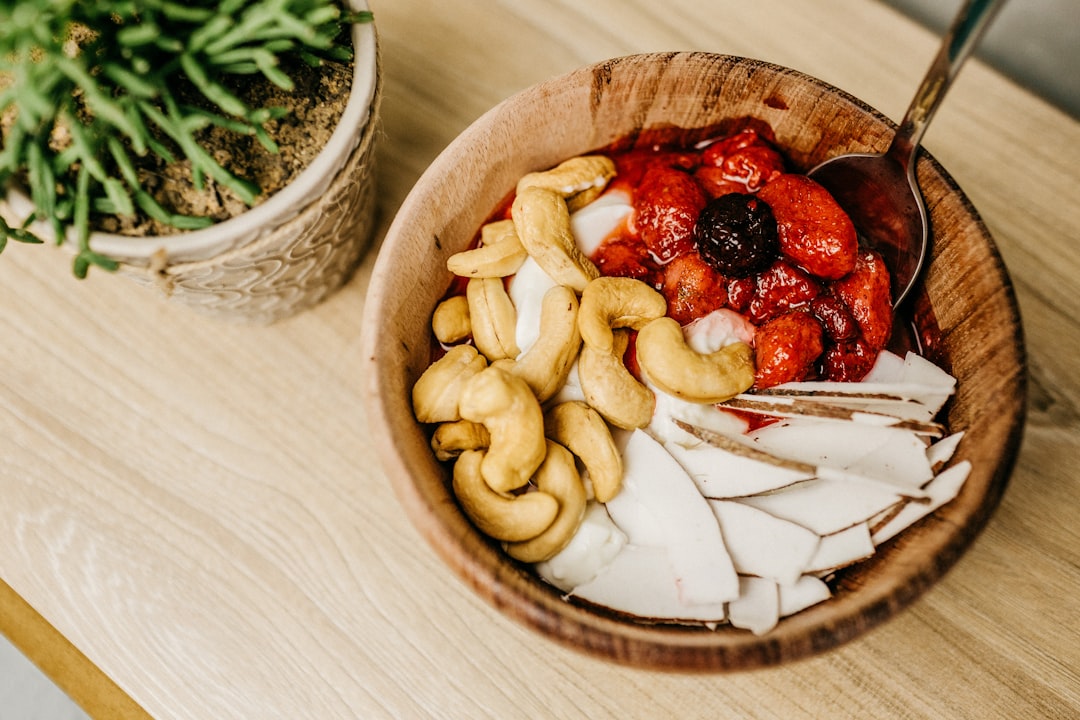
A balanced diet is the cornerstone of good health, yet many struggle to achieve it in today’s fast-paced world. It’s not just about eating the right foods but understanding how to combine them to fuel your body effectively. This guide will walk you through practical tips to create a balanced diet that supports your energy, immune system, and overall wellbeing, ensuring you feel your best every day.
Understand the Basics of Nutrition
A balanced diet includes a mix of macronutrients—carbohydrates, proteins, and fats—along with essential vitamins and minerals. Carbohydrates provide energy, proteins repair tissues, and fats support cell function. Vitamins and minerals, though needed in smaller amounts, are crucial for processes like immunity and bone health. Aim for a variety of foods to ensure you’re getting all the nutrients your body needs.
Prioritize Whole Foods Over Processed Options
Whole foods, such as fruits, vegetables, whole grains, lean meats, and nuts, are rich in nutrients and free from added sugars and unhealthy fats. Processed foods often lack essential nutrients and can lead to health issues like obesity and heart disease. Focus on filling your plate with natural, minimally processed options to maximize your nutrient intake.
Practice Portion Control and Mindful Eating
Even healthy foods can lead to weight gain if consumed in excess. Portion control helps you enjoy a variety of foods without overeating. Pair this with mindful eating—paying attention to hunger cues and savoring each bite—to develop a healthier relationship with food and avoid unnecessary snacking.
Stay Hydrated and Limit Sugary Drinks
Water is essential for digestion, nutrient absorption, and overall health. Aim to drink at least eight glasses of water daily and limit sugary beverages like soda and energy drinks. Herbal teas and infused water are excellent alternatives to keep hydration interesting and beneficial.
Plan and Prepare Meals Ahead of Time
Meal planning ensures you have healthy options readily available, reducing the temptation to reach for unhealthy snacks. Dedicate time each week to prepare meals and snacks, focusing on balanced combinations of proteins, carbs, and fats. This habit saves time, money, and stress while keeping your diet on track.
- Include a variety of colorful fruits and vegetables daily.
- Choose lean proteins like fish, chicken, beans, and tofu.
- Opt for whole grains like quinoa, brown rice, and oats.
- Incorporate healthy fats from sources like avocado, nuts, and olive oil.
- Limit added sugars, salt, and processed foods.
Adopting a balanced diet doesn’t have to be overwhelming. By understanding nutrition, prioritizing whole foods, practicing portion control, staying hydrated, and planning meals, you can transform your eating habits and improve your health. Start small, make gradual changes, and enjoy the journey to a healthier, more vibrant you.
References