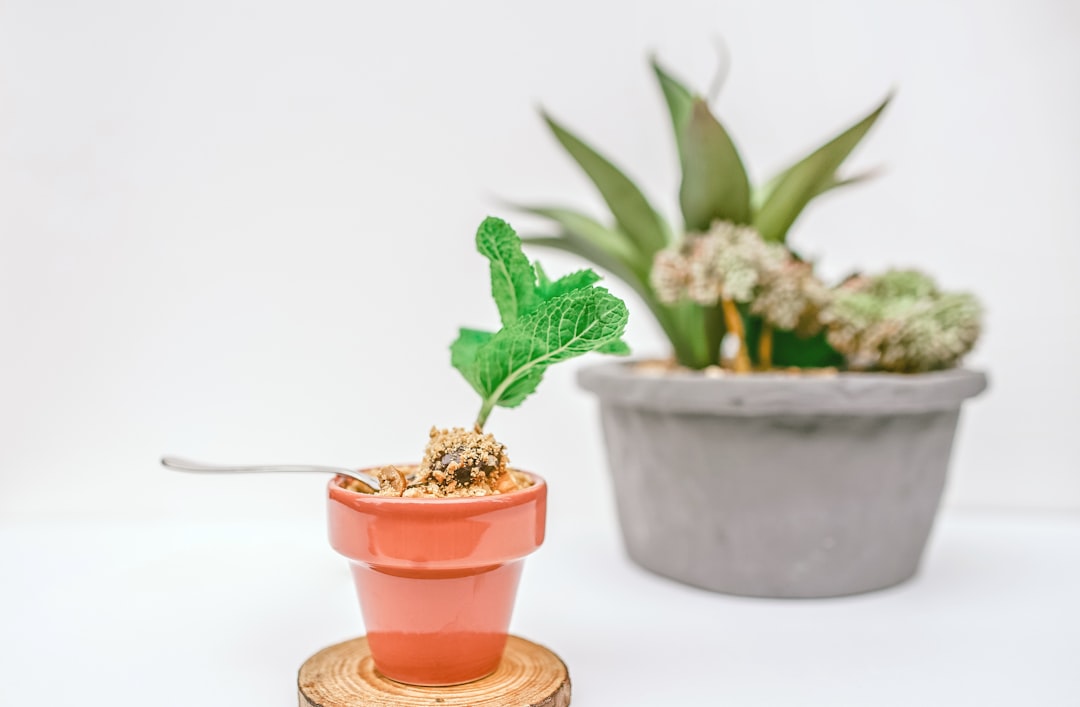
Growing your own herbs at home is a rewarding and practical way to elevate your cooking, reduce waste, and bring a touch of greenery into your living space. Whether you have a sprawling garden or a tiny windowsill, cultivating herbs is simple, cost-effective, and environmentally friendly. Discover how to start your herb garden, choose the right plants, and care for them to ensure a bountiful harvest year-round.
Choosing the Right Herbs for Your Space
Before you start planting, consider the space and conditions you have available. Herbs like basil, parsley, and cilantro thrive indoors with plenty of sunlight, while rosemary and thyme are more resilient and can grow outdoors in various climates. If you’re short on space, opt for compact herbs like chives or oregano, which can flourish in small pots. Think about the herbs you use most in your cooking to make your garden both practical and enjoyable.
Setting Up Your Herb Garden
Once you’ve selected your herbs, it’s time to prepare your garden. Use well draining soil and containers with drainage holes to prevent root rot. If you’re growing indoors, place your pots near a sunny window or invest in a grow light for consistent light exposure. Outdoor gardens should be in a spot that receives at least six hours of sunlight daily. Group herbs with similar water and light needs together to simplify care.
Watering and Feeding Your Herbs
Herbs generally prefer slightly dry conditions, so avoid overwatering. Check the soil moisture by sticking your finger about an inch into the soil—if it feels dry, it’s time to water. Use a balanced liquid fertilizer every few weeks to nourish your plants, but be cautious not to overfertilize, as this can dilute the flavor of the herbs. Mulching around outdoor herbs can help retain moisture and regulate soil temperature.
Harvesting and Pruning Tips
Regular harvesting encourages growth and keeps your herbs healthy. Snip leaves or stems as needed, but avoid removing more than one-third of the plant at a time. Pruning also prevents herbs from becoming leggy or flowering too soon, which can alter their flavor. For herbs like basil, pinch off the top leaves to promote bushier growth. Store harvested herbs in the refrigerator, freeze them, or dry them for long-term use.
Troubleshooting Common Herb Garden Problems
Even the most carefully tended herb gardens can encounter issues. Yellowing leaves may indicate overwatering, while brown tips suggest underwatering or nutrient deficiency. Watch out for pests like aphids or spider mites, which can be managed with natural remedies like need oil or insecticidal soap. Rotate your plants occasionally to ensure even light exposure and prevent leggy growth.
- Best herbs for beginners Basil, mint, parsley, chives
- Herbs for sunny windowsills Thyme, rosemary, oregano
- Herbs for partial shade Parsley, cilantro, lemon balm
- Fast-growing herbs Dill, basil, cilantro
- Perennial herbs Rosemary, thyme, sage
Growing your own herbs at home is a simple yet transformative practice that enhances your meals, reduces your carbon footprint, and connects you to nature. With a little care and attention, you can enjoy fresh, flavorful herbs whenever you need them. Start your herb garden today and experience the joy of harvesting your own ingredients.
Ready to get started? Gather your supplies, pick your favorite herbs, and embark on this green journey. Share your progress and tips with fellow herb enthusiasts—your kitchen will thank you!
References