In a world where sugar is often vilified, finding healthier alternatives can feel like a daunting task. But what if you could enjoy the sweetness you crave without compromising your health? From natural options like honey and maple syrup to innovative sweeteners like stevia and monk fruit, there’s a world of choices beyond refined sugar. This guide explores the best sugar alternatives, their benefits, and how to incorporate them into your daily life for a healthier, more balanced diet.
The Problem with Refined Sugar
Refined sugar is a staple in many diets, but its overconsumption has been linked to numerous health issues, including obesity, diabetes, and heart disease. It provides empty calories with no nutritional value, leading to energy crashes and cravings. By understanding the drawbacks of refined sugar, you can make more informed decisions about the sweeteners you choose to consume.
Natural Sweeteners to the Rescue
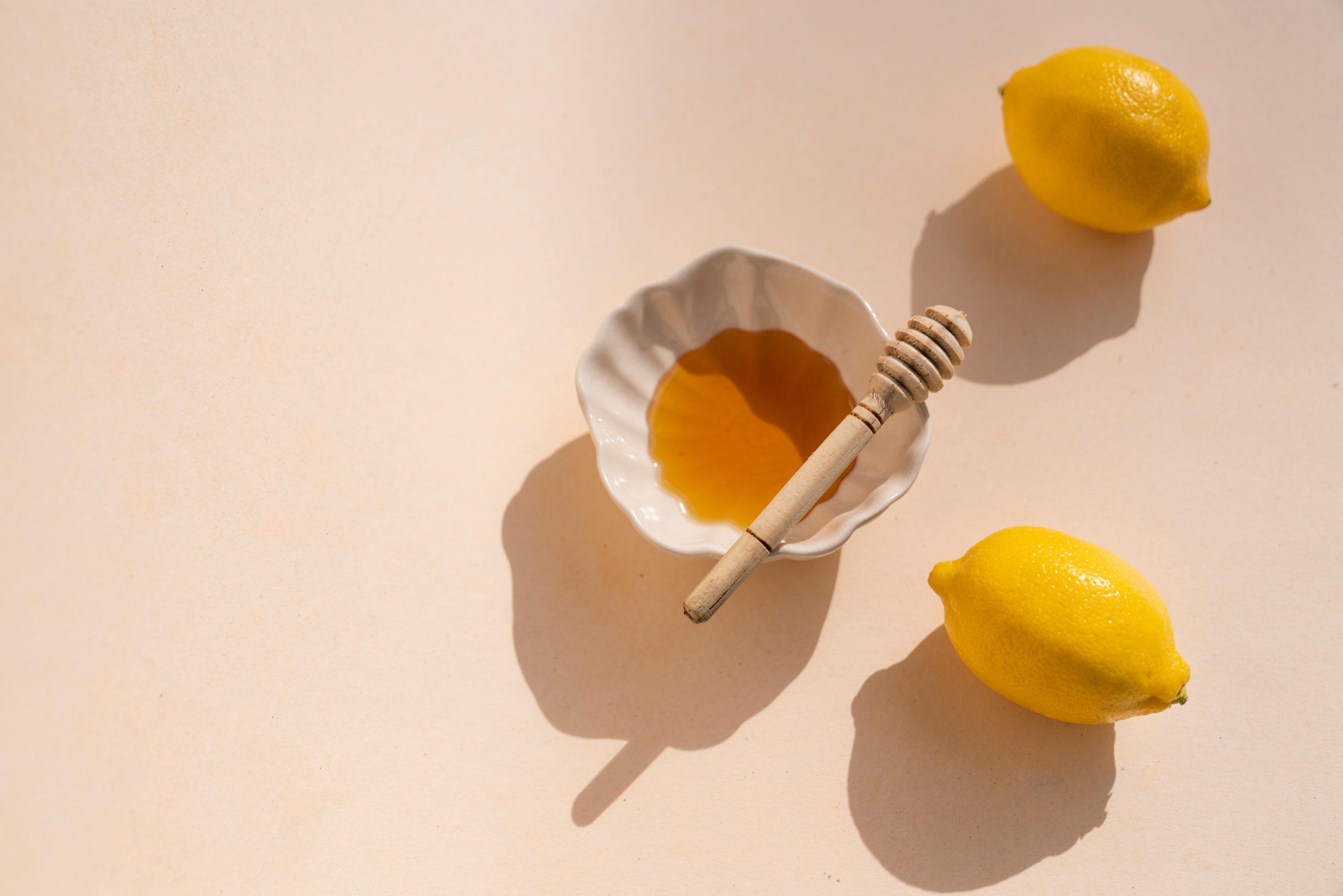
Natural sweeteners like honey, maple syrup, and coconut sugar offer more than just sweetness—they come with vitamins, minerals, and antioxidants. Honey, for example, contains antibacterial properties, while maple syrup is rich in manganese and zinc. These options are less processed than refined sugar and can be used in moderation to enhance the flavor of your meals and beverages.
Low Calorie Sweeteners for Weight Management
For those looking to reduce calorie intake without sacrificing sweetness, low calorie sweeteners like stevia and monk fruit are excellent choices. Derived from plants, these sweeteners are much sweeter than sugar, so only a small amount is needed. They have minimal impact on blood sugar levels, making them suitable for diabetics and anyone watching their weight.
Artificial Sweeteners Pros and Cons
Artificial sweeteners like aspartame and sucrose are widely used in diet products and beverages. While they are calorie free and do not raise blood sugar levels, some studies suggest they may have potential health risks when consumed in excess. Understanding the benefits and drawbacks of artificial sweeteners can help you decide if they have a place in your diet.
How to Choose the Right Sweetener for You
Selecting the best sugar alternative depends on your health goals, dietary needs, and taste preferences. Consider factors like calorie content, glycemic index, and processing methods. Experiment with different options to find the ones that work best for your lifestyle and culinary needs.
- For natural sweetness Choose honey, maple syrup, or coconut sugar.
- For low calorie options Opt for stevia or monk fruit.
- For baking Try erythritol or Capitol.
- For general use Explore blends of natural and low calorie sweeteners.
Choosing healthier sugar alternatives doesn’t mean giving up on sweetness—it’s about making smarter choices that support your overall wellbeing. By exploring the wide range of options available, you can enjoy the flavors you love while taking care of your health. Start experimenting with these alternatives today and discover a sweeter, healthier way to live.
References