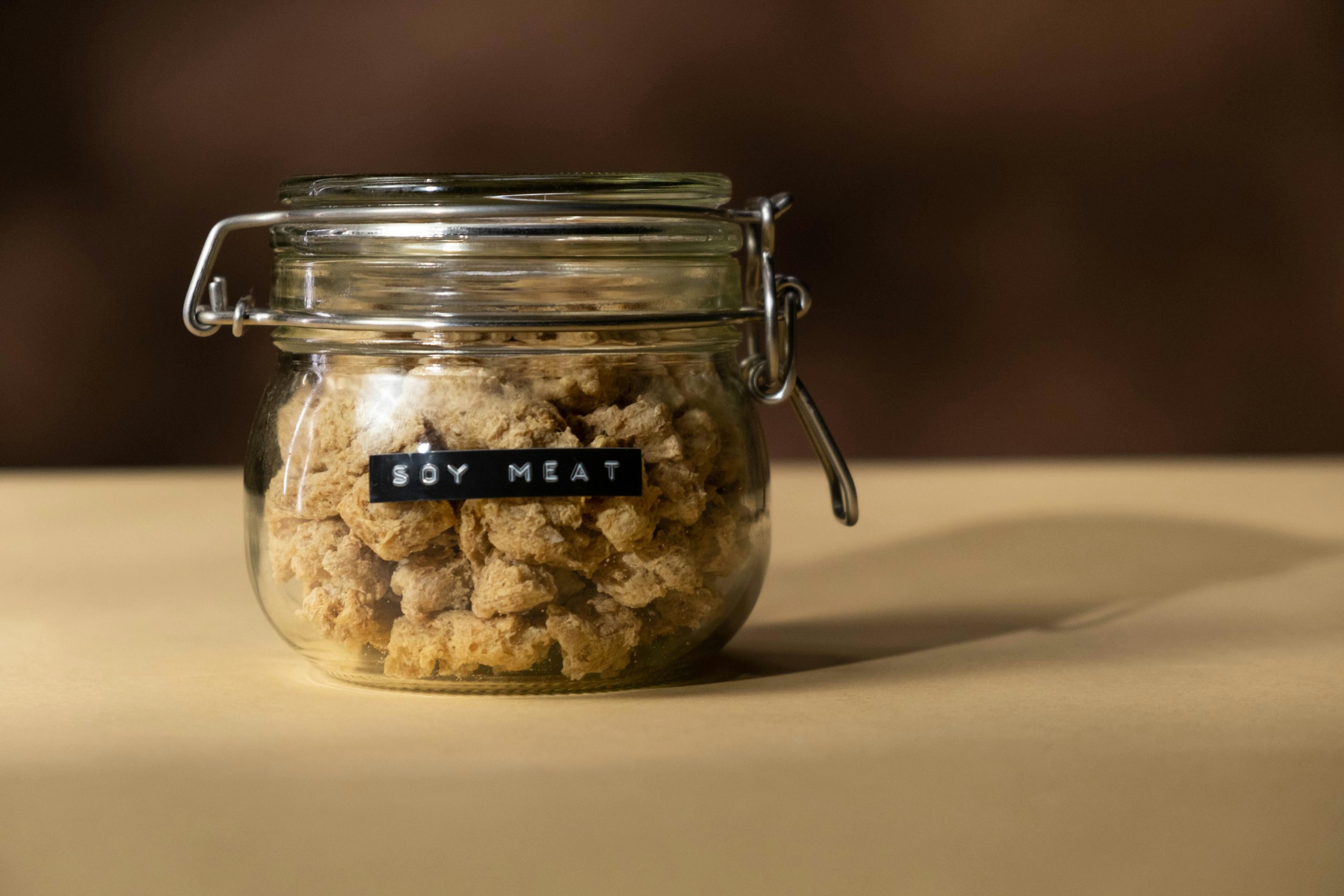
Switching to a plant based diet doesn’t mean sacrificing protein. In fact, nature offers an abundance of nutrient rich, plant based protein sources that can fuel your body and support your health goals. Whether you’re a vegan, vegetarian, or simply looking to diversify your protein intake, this guide will introduce you to the best plant based protein options that are both delicious and nutritious. Let’s explore the power of plants and how they can help you thrive.
Lentils The Versatile Protein Powerhouse
Lentils are a staple in plant based diets for good reason. Packed with approximately 18 grams of protein per cooked cup, they are not only high in protein but also rich in fiber, iron, and folate. Their versatility makes them perfect for soups, stews, salads, and even plant based burgers. Lentils come in various colors, including green, red, and black, each offering a unique texture and flavor. Whether you’re whipping up a hearty lentil curry or a refreshing lentil salad, this legume is a must-have in your pantry.
Chickpeas The Hearty and Nutritious Option
Chickpeas, also known as garbanzo beans, are another excellent source of plant based protein, providing about 15 grams per cooked cup. They are a key ingredient in hummus, falafel, and countless other dishes. Beyond their protein content, chickpeas are loaded with fiber, vitamins, and minerals like manganese and magnesium. Their nutty flavor and creamy texture make them a favorite in both savory and sweet recipes. Try roasting chickpeas for a crunchy snack or blending them into a creamy soup for a protein packed meal.
Quinoa The Complete Protein Grain
Quinoa stands out as one of the few plant based sources of complete protein, meaning it contains all nine essential amino acids. With 8 grams of protein per cooked cup, quinoa is a nutrient dense grain that’s also gluten-free. It’s rich in fiber, magnesium, and antioxidants, making it a fantastic addition to any diet. Quinoa’s mild, nutty flavor and fluffy texture make it a versatile base for bowls, salads, and even breakfast porridge. For a protein boost, swap rice for quinoa in your favorite recipes.
Tofu and Tempeh The Soy Based Superstars
Tofu and tempeh are both derived from soybeans and are among the most popular plant based protein sources. Tofu offers about 10 grams of protein per half cup, while tempeh provides a whopping 15 grams. Tofu is soft and adaptable, absorbing the flavors of any dish, while tempeh has a firmer texture and a slightly nutty taste. Both are rich in iron, calcium, and other essential nutrients. Use tofu in stir-fries or smoothies, and enjoy tempeh grilled or crumbled into tacos for a satisfying meal.
Nuts and Seeds The Compact Protein Boosters
Nuts and seeds are small but mighty when it comes to protein. Almonds, chia seeds, hemp seeds, and pumpkin seeds are particularly high in protein, along with healthy fats, fiber, and essential vitamins. For example, a quarter cup of almonds provides about 7 grams of protein, while two tablespoons of hemp seeds offer 10 grams. These nutrient dense foods are perfect for snacking, sprinkling on salads, or blending into smoothies. Keep a variety of nuts and seeds on hand for a quick and easy protein boost throughout the day.
- Quick Protein Guide
- Lentils 18g per cup
- Chickpeas 15g per cup
- Quinoa 8g per cup
- Tofu 10g per half cup
- Tempeh 15g per half cup
- Hemp seeds 10g per 2 tablespoons
Incorporating plant based protein sources into your diet is easier than ever with so many delicious and nutritious options available. From lentils and chickpeas to quinoa and tofu, these foods not only provide the protein your body needs but also offer a range of health benefits. Experiment with different recipes and discover the flavors and textures that work best for you. Ready to power up your meals with plant based protein? Start today and experience the difference for yourself!
References