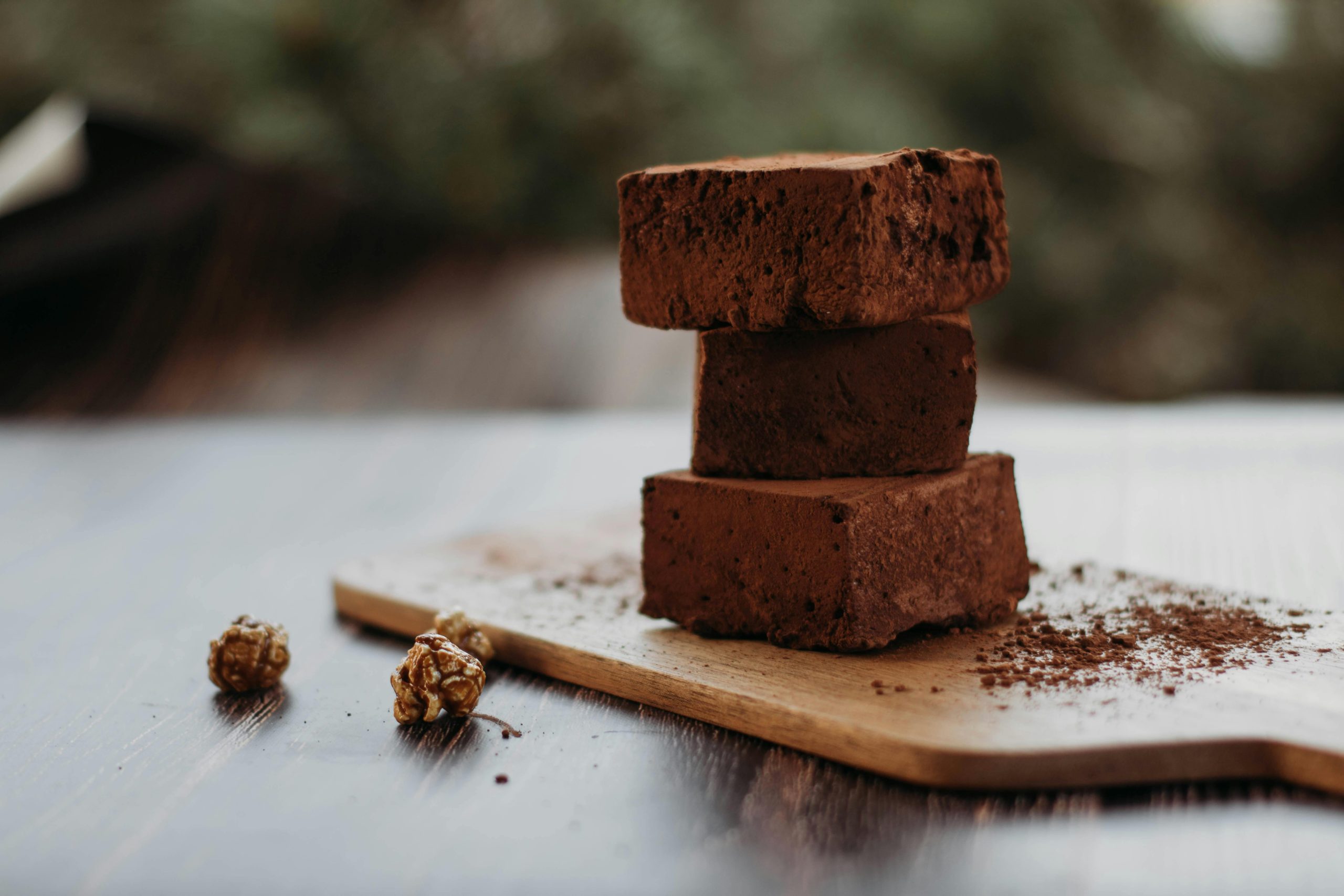
Gluten-free baking can seem daunting, but with the right techniques and ingredients, it’s entirely possible to create delicious, moist, and flavorful baked goods that rival their gluten filled counterparts. Whether you’re new to gluten-free baking or looking to refine your skills, these tips will help you achieve perfect results every time. From choosing the right flours to understanding the role of binders, this guide covers everything you need to know to elevate your gluten-free baking game.
Choose the Right Flour Blend
One of the most critical aspects of gluten-free baking is selecting the right flour blend. Unlike traditional wheat flour, gluten-free flours vary widely in texture and taste. A combination of flours often works best to mimic the structure and consistency of wheat flour. Popular options include almond flour, rice flour, tapioca flour, and coconut flour. Premixed gluten-free flour blends are also available and can save time. Experiment with different blends to find the one that suits your recipe best.
Incorporate Binders for Structure
Gluten provides elasticity and structure in baking, so when it’s absent, you’ll need to use binders to achieve similar results. Common binders include xanthan gum, guard gum, and psyllium husk. These ingredients help hold your baked goods together and prevent them from crumbling. Typically, 1/4 to 1/2 teaspoon of xanthan gum per cup of flour is sufficient for most recipes. Be cautious not to overuse binders, as they can create a gummy texture.
Adjust Moisture Levels
Gluten-free flours tend to absorb more moisture than wheat flour, which can lead to dry or dense baked goods if not addressed. To counteract this, consider increasing the liquid content in your recipes. Adding ingredients like yogurt, applesauce, or extra eggs can also help maintain moisture. Pay attention to the batter’s consistency—it should be slightly thicker than traditional batter but still pourable or spreadable.
Don’t Overmix the Batter
Overmixing gluten-free batter can lead to tough or dense results. Since gluten-free flours lack the protein structure of wheat flour, they don’t require extensive mixing. Stir the batter just until the ingredients are combined, and avoid overworking it. This will help ensure a tender crumb and light texture in your baked goods.
Experiment with Flavor Enhancers
Gluten-free baking can sometimes result in bland or flat flavors due to the absence of wheat. To enhance taste, experiment with ingredients like vanilla extract, citrus zest, spices, or even a pinch of salt. Adding mixins such as chocolate chips, nuts, or dried fruit can also elevate the flavor profile of your baked goods. Don’t be afraid to get creative and tailor recipes to your preferences.
- Select a balanced gluten-free flour blend for optimal texture.
- Use binders like xanthan gum to replace gluten’s structural role.
- Increase moisture levels to avoid dry or crumbly results.
- Mix batter gently to achieve a tender crumb.
- Enhance flavors with spices, extracts, or mixins.
Gluten-free baking doesn’t have to be intimidating. With the right techniques and a willingness to experiment, you can create mouthwatering treats that everyone will enjoy. Whether you’re baking for dietary needs or simply exploring new culinary horizons, these tips will help you achieve success in the kitchen. Ready to get started? Grab your favorite gluten-free flour blend and start baking today!
References