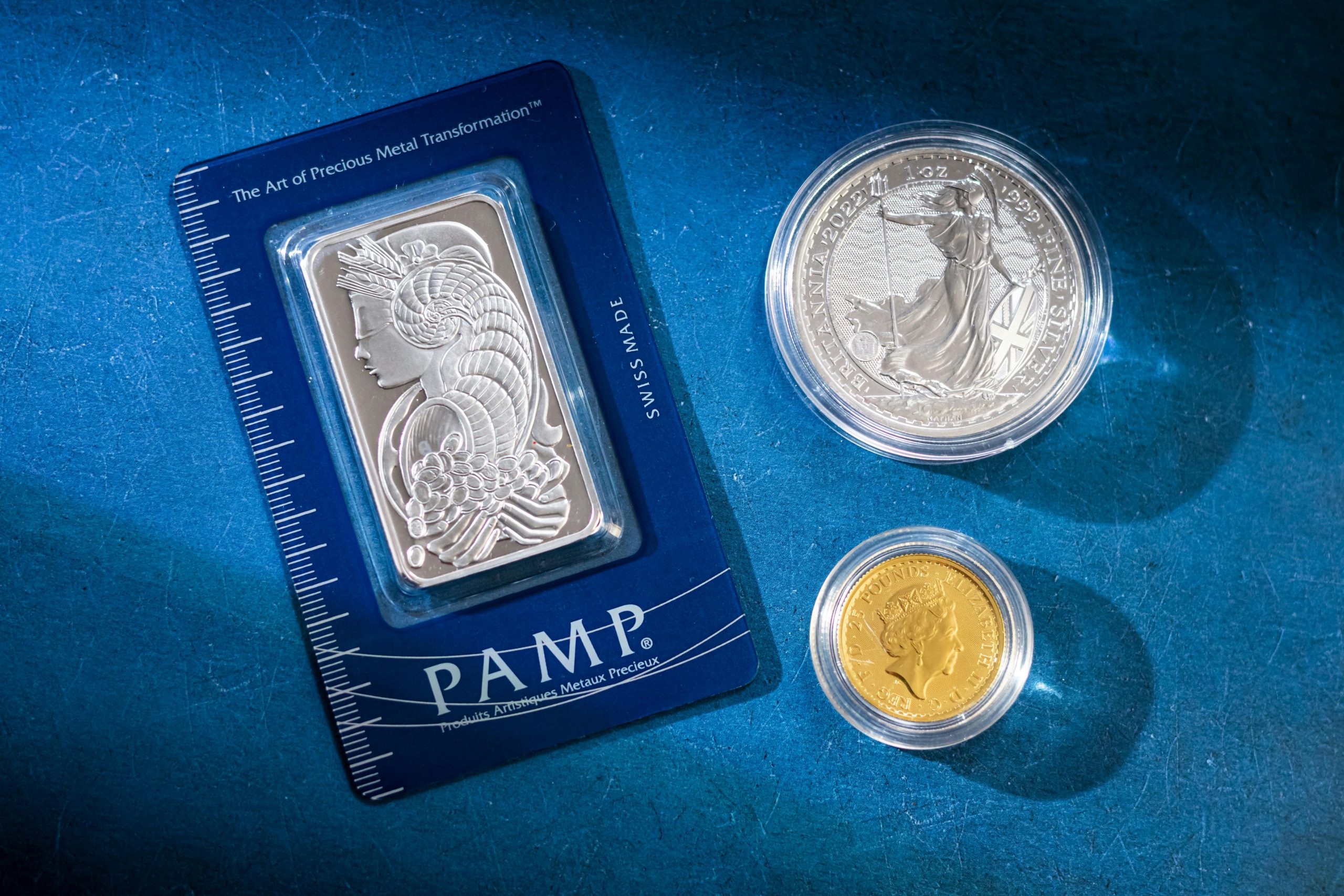
In a world where traditional investments like stocks and bonds dominate, collectibles and rare assets offer a unique opportunity to diversify and potentially reap significant rewards. From vintage cars and rare coins to fine art and limited-edition memorabilia, these tangible assets can appreciate in value while providing personal enjoyment. However, investing in collectibles requires careful research, patience, and a keen eye for authenticity. This guide explores the allure, risks, and strategies behind building a profitable collection.
Why Collectibles and Rare Assets Deserve Your Attention
Unlike stocks or real estate, collectibles often carry emotional and historical significance, making them resilient during economic downturns. Rare assets like first edition books or signed sports memorabilia can appreciate due to their scarcity and cultural relevance. Additionally, highnetworth individuals and institutions increasingly allocate funds to alternative investments, driving demand and prices upward in niche markets.
Key Categories of Collectibles with High Growth Potential
Not all collectibles are created equal. Some categories consistently outperform others. Fine art, especially works by renowned artists, remains a top performer. Rare coins and stamps appeal to numismatists and historians, while vintage watches from brands like Rolex or Patek Philippe attract horology enthusiasts. Limited run sneakers and comic books have also surged in value, fueled by pop culture trends and younger collectors.
The Risks and Challenges of Investing in Rare Assets
While the rewards can be substantial, collectibles come with unique risks. Market volatility is influenced by trends, and liquidity can be low—selling a rare item may take time. Counterfeiting is another concern, requiring expert verification. Storage and insurance costs add to the expenses, making it crucial to factor in long-term holding costs.
How to Start Building a Profitable Collection
Begin by focusing on a niche you’re passionate about, as knowledge is key to spotting undervalued pieces. Attend auctions, join collector forums, and consult experts to authenticate items. Set a budget and prioritize quality over quantity—condition greatly impacts value. Consider platforms like Heritage Auctions or Sotheby’s for reputable purchases, and always keep documentation to prove provenance.
- Fine Art Look for emerging artists or undervalued masters.
- Rare Coins Focus on historical significance and mint condition.
- Vintage Watches Prioritize limited editions and well-preserved models.
- Sports Memorabilia Seek authenticated game worn items or signed collectibles.
- Comic Books Key issues from Marvel or DC in high grades are most desirable.
Investing in collectibles and rare assets can be both financially rewarding and personally fulfilling, but it demands diligence and expertise. Whether you’re drawn to the elegance of fine art or the nostalgia of vintage toys, understanding market trends and maintaining patience are essential. Ready to explore this exciting investment avenue? Start small, stay informed, and let your passion guide your portfolio.
References