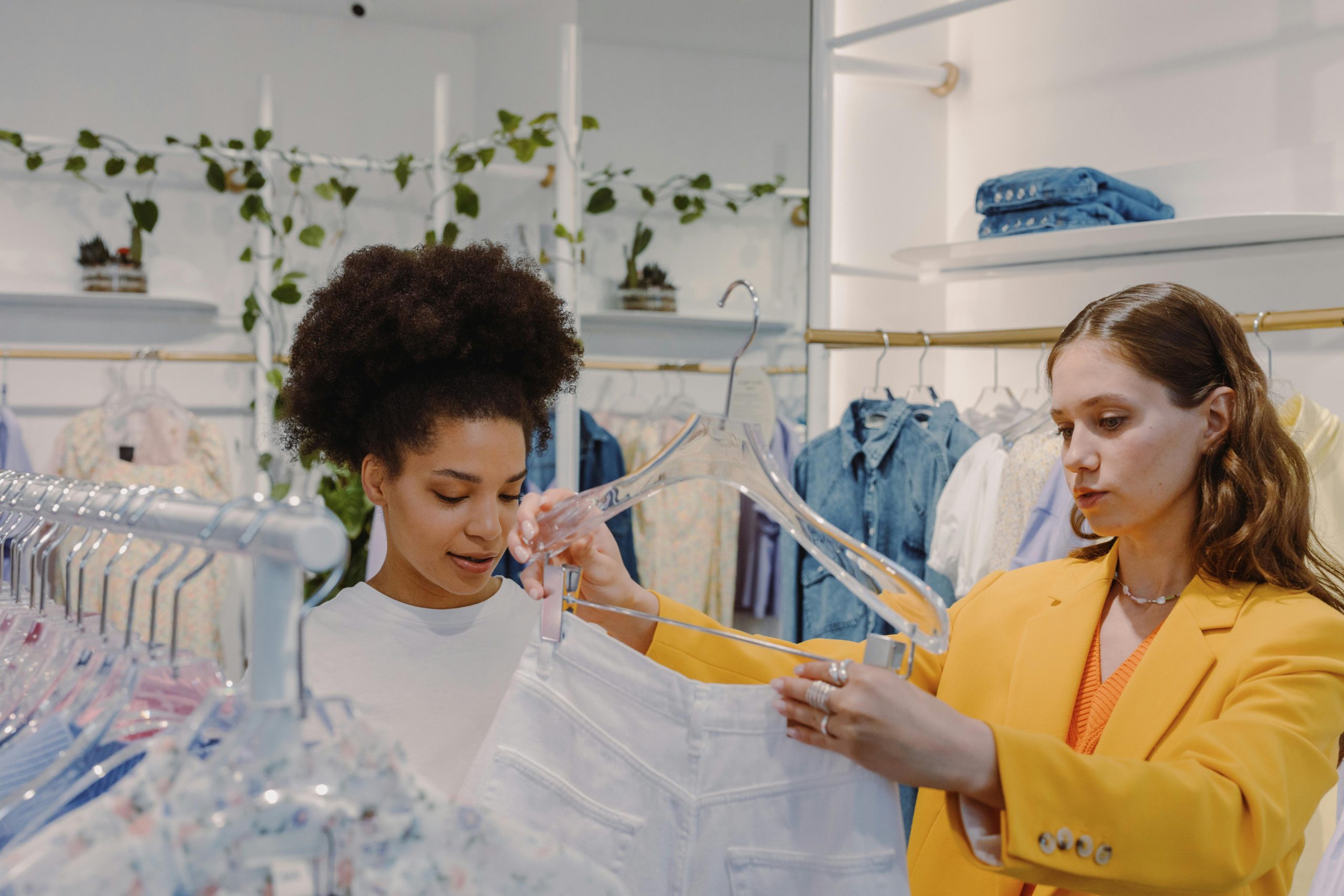
First impressions matter and your outfit is often the first thing a hiring manager notices. Dressing appropriately for a job interview can make or break your chances before you even answer the first question. Whether you’re interviewing for a corporate role or a creative position, understanding the dos and don’ts of interview attire will help you project confidence and professionalism.
Research the Company Culture Before Choosing Your Outfit
Not all job interviews require a suit and tie. A tech startup may value a more relaxed look, while a law firm expects formal business attire. Visit the company’s website or LinkedIn page to gauge their dress code. If possible, ask the recruiter or HR contact for guidance. When in doubt, err on the side of professionalism—it’s better to be slightly overdressed than underdressed.
Opt for Classic and Well-fitted Clothing
Ill fitting clothes can distract from your qualifications. A tailored blazer, crisp dress shirt, or polished dress in a neutral color like navy, black, or gray conveys competence. Avoid overly tight or baggy clothing. For shoes, choose closed toe options like loafers or modest heels. Ensure everything is clean, pressed, and free of wrinkles or stains.
Avoid Overly Trendy or Flashy Pieces
While expressing personal style is important, an interview isn’t the time for bold fashion statements. Skip loud patterns, excessive jewelry, or strong cologne/perfume. Keep accessories minimal—a simple watch or small earrings work well. Your outfit should complement your skills, not overshadow them.
Pay Attention to Grooming and Details
Neat hair, trimmed nails, and subtle makeup (if applicable) show attention to detail. For men, a clean shave or well-groomed beard is essential. Carry a professional bag or portfolio instead of a casual backpack. Small touches like polished shoes or a lint free blazer demonstrate you’ve put thought into your appearance.
Dress Slightly Better Than the Job’s Standard Attire
If the office dress code is business casual, lean toward business professional for the interview. This shows respect for the opportunity and sets you apart. For remote interviews, dress fully from head to toe—it puts you in the right mindset and ensures you’re ready if you need to stand up unexpectedly.
- Corporate roles Suit and tie (men), tailored suit or dress with blazer (women)
- Business casual Dress slacks and button-down (men), blouse with skirt or slacks (women)
- Creative fields Dark jeans with a structured jacket, minimalist accessories
- Avoid Sneakers, shorts, ripped clothing, visible logos, or overly casual wear
Your interview outfit is a silent ambassador for your professionalism. By dressing thoughtfully, you signal that you take the opportunity seriously and respect the company’s culture. Ready to ace your interview? Pair your sharp attire with confident body language and thorough preparation to make an unforgettable impression.
References