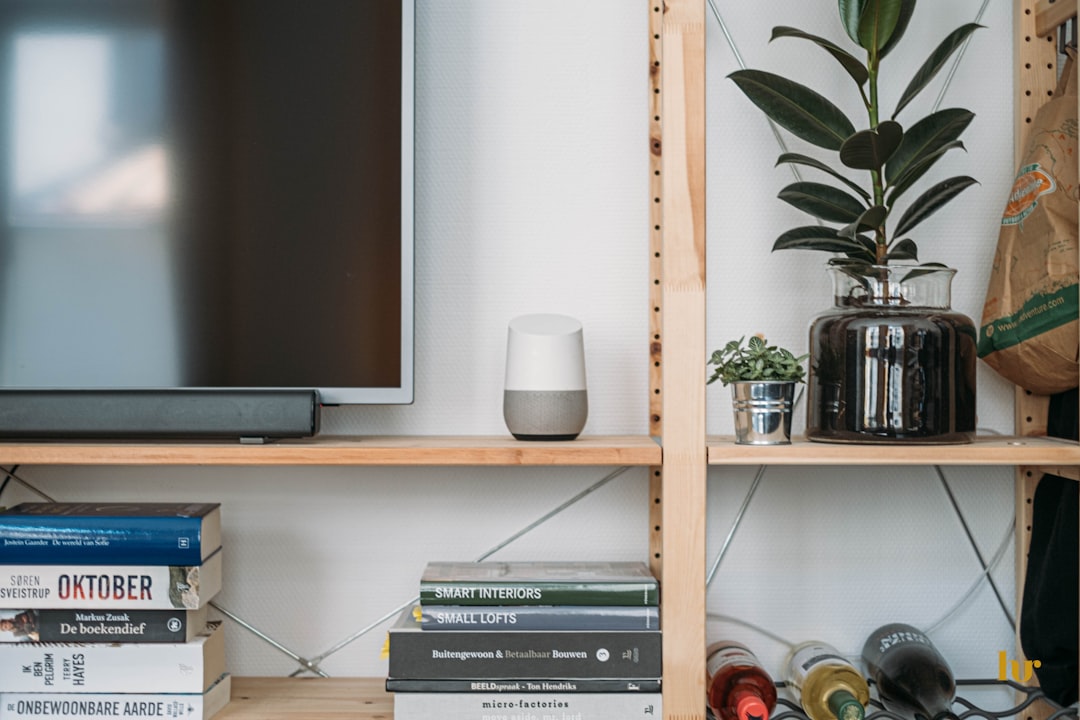
Creating a productive study space at home is essential for maximizing concentration and efficiency. Whether you’re a student or a professional, the right environment can make all the difference in retaining information and staying motivated. This guide will walk you through practical tips to design a study area that minimizes distractions and enhances productivity.
Choose a Quiet and Dedicated Space
Selecting the right location is the foundation of an effective study space. Avoid high-traffic areas like the living room or kitchen, where interruptions are frequent. Instead, opt for a quiet corner, spare room, or even a well-organized closet. The key is consistency—using the same spot daily trains your brain to associate it with focus and learning.
Optimize Lighting for Reduced Eye Strain
Proper lighting is crucial for maintaining focus and preventing eye fatigue. Natural light is ideal, so position your desk near a window if possible. If natural light isn’t available, invest in a warm, adjustable desk lamp to avoid harsh glare. Avoid dim lighting, as it can cause drowsiness, and overly bright lights, which may lead to headaches.
Keep Your Workspace Clutter-free
A cluttered desk can lead to a cluttered mind. Organize your study materials with shelves, drawers, or desktop organizers to keep essentials within reach but out of the way. Regularly declutter your space to maintain a clear mental state. A minimalist approach helps reduce stress and allows you to focus solely on the task at hand.
Invest in Ergonomic Furniture
Comfort is key to long study sessions. Choose a chair with proper lumbar support and a desk at the right height to prevent slouching. If possible, consider a standing desk or an ergonomic stool to alternate between sitting and standing. Your physical comfort directly impacts your ability to concentrate for extended periods.
Personalize Your Space for Motivation
Add elements that inspire you, such as motivational quotes, plants, or a vision board. However, avoid overdecorating, as too many visual stimuli can be distracting. A balanced mix of personal touches and functionality creates a space that feels both inviting and purpose driven.
- Pick a quiet, low traffic area away from distractions
- Use natural or warm, adjustable lighting
- Keep your desk tidy with organizers
- Prioritize ergonomic seating and desk height
- Add minimal personal touches for inspiration
Designing a productive study space at home doesn’t require a complete overhaul—small, intentional changes can yield significant results. By implementing these tips, you’ll create an environment that fosters focus, efficiency, and long-term success. Ready to boost your productivity? Start transforming your space today!
References