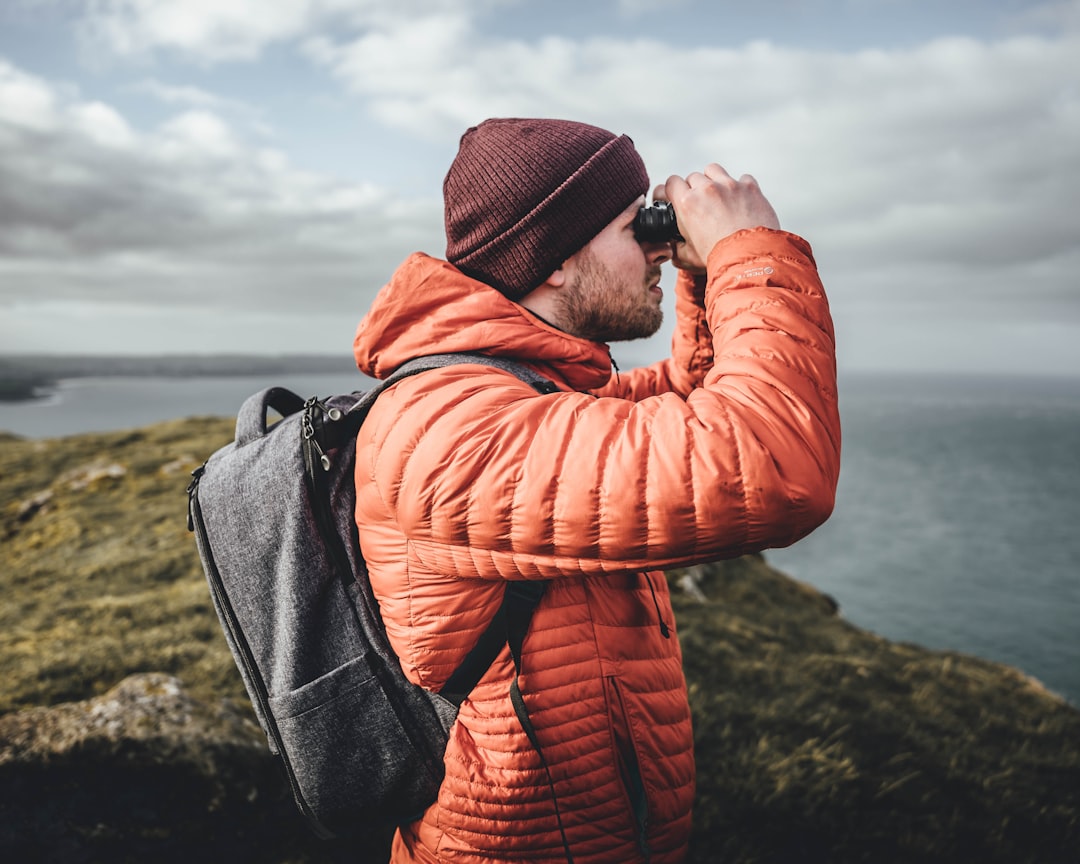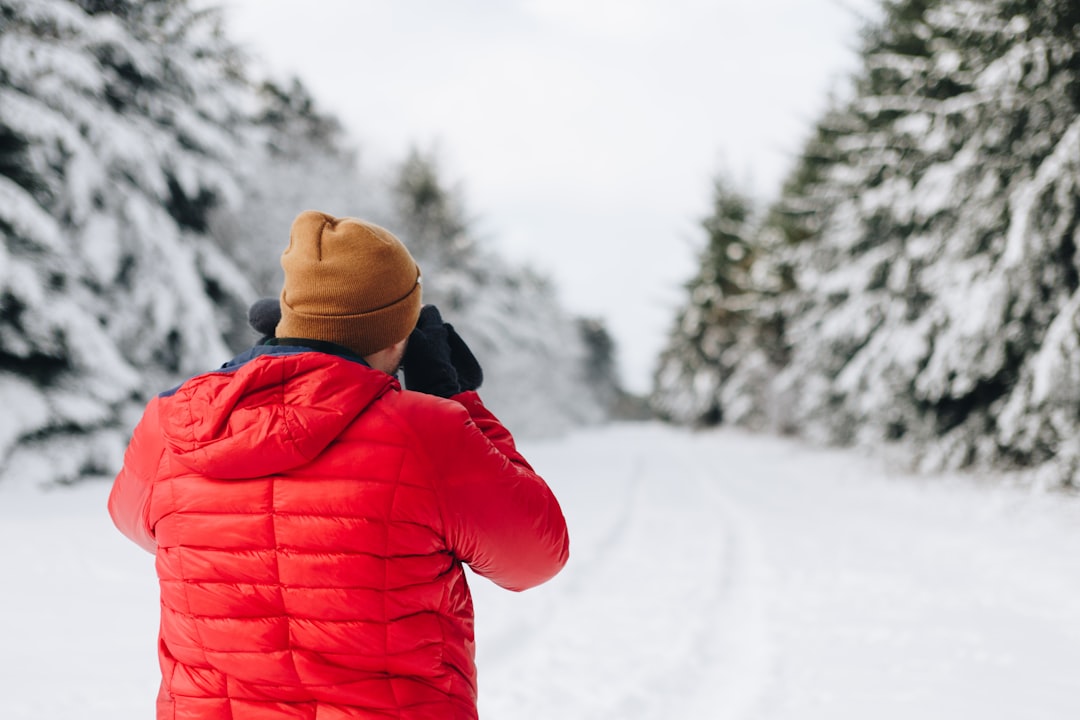
Traveling in cold climates can be an unforgettable adventure, but it requires careful preparation and smart strategies to stay warm, safe, and comfortable. Whether you’re heading to the snowy peaks of the Alps or the icy landscapes of the Arctic, these expert tips will help you navigate the cold like a pro. From packing essentials to staying active in freezing temperatures, this guide ensures your cold weather journey is both enjoyable and hasslefree.
Layer Up Like a Pro
Layering is the cornerstone of staying warm in cold climates. Start with a moisture wicking base layer to keep sweat away from your skin. Add an insulating middle layer, such as fleece or down, to retain body heat. Finish with a waterproof and windproof outer layer to shield against the elements. Avoid cotton, as it retains moisture and can leave you feeling cold. Remember, layers allow you to adjust your clothing as temperatures fluctuate throughout the day.
Protect Your Extremities
Your hands, feet, ears, and face are most vulnerable to the cold. Invest in high-quality gloves or mittens, thermal socks, and insulated boots to keep your extremities warm. A hat that covers your ears and a scarf or neck gaiter to protect your face are essential. For added warmth, consider hand and foot warmers, especially if you’ll be outdoors for extended periods. Don’t forget to apply a thick moisturizer to prevent skin from drying out in the harsh cold.
Stay Hydrated and Nourished
Cold weather can dehydrate you just as much as heat, so drink plenty of water throughout the day. Warm beverages like tea or soup can also help maintain your body temperature. Pack high-energy snacks such as nuts, granola bars, or chocolate to fuel your activities. Eating regularly helps your body generate heat, so don’t skip meals, especially if you’re engaging in physical activities like skiing or hiking.
Plan for Daylight and Weather
In cold climates, daylight hours are often shorter, and weather conditions can change rapidly. Plan your activities around the available daylight and always check the forecast before heading out. Carry a flashlight or headlamp in case you’re out after dark. Be prepared for sudden snowstorms or icy conditions by packing emergency supplies like a first-aid kit, extra clothing, and a portable charger for your devices.
Keep Moving to Stay Warm
Physical activity generates body heat, so keep moving to stay warm. Whether you’re skiing, snowshoeing, or simply exploring a winter wonderland, staying active helps combat the cold. If you’re waiting in one place, try light exercises like jumping jacks or jogging in place to keep your blood flowing. Just be mindful of slippery surfaces and avoid overexertion, which can lead to sweating and subsequent chilling.
- Layer clothing with moisture wicking, insulating, and waterproof materials.
- Invest in quality gloves, boots, and headwear to protect extremities.
- Drink water regularly and eat high-energy snacks to stay hydrated and fueled.
- Check weather forecasts and plan activities around daylight hours.
- Stay active to generate body heat but avoid overexertion.
Traveling in cold climates offers a unique and breathtaking experience, but it demands thoughtful preparation. By layering effectively, protecting your extremities, staying hydrated, planning for weather changes, and keeping active, you can conquer the cold with confidence. So pack your bags, embrace the chill, and get ready for an unforgettable winter adventure!
References