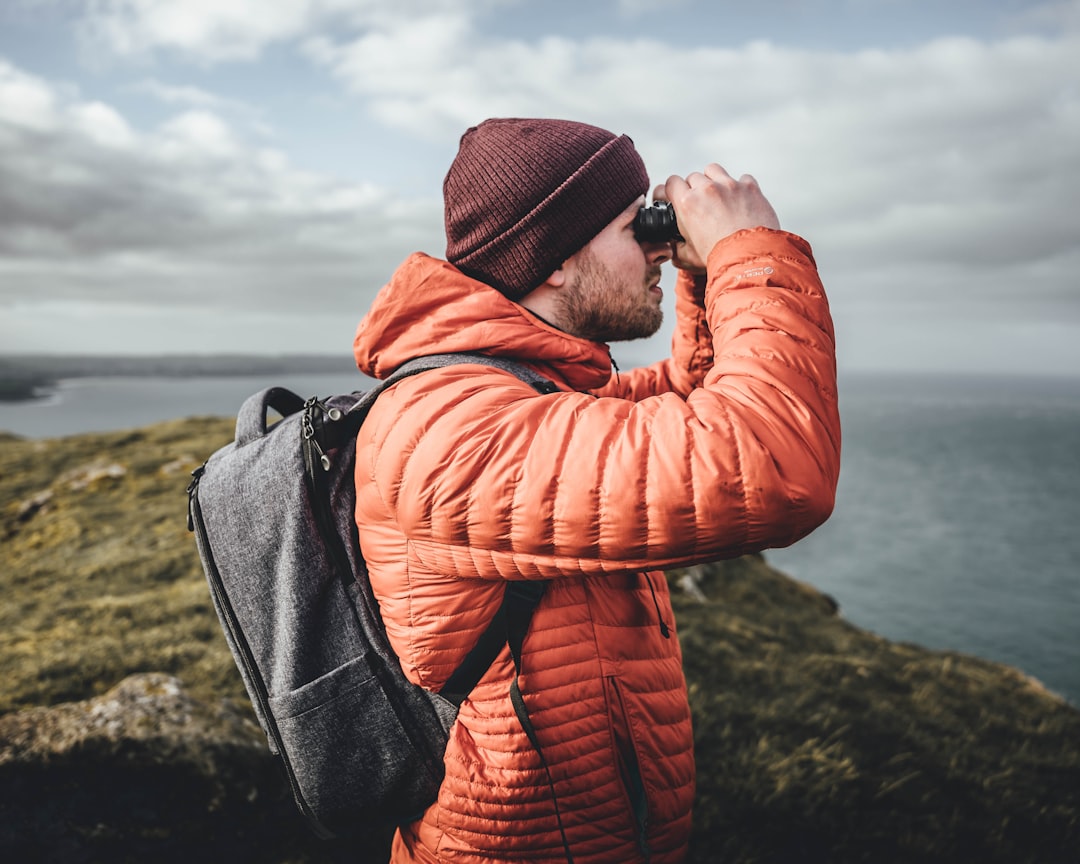
Planning a group trip can feel like herding cats—everyone has different preferences, schedules, and budgets. Yet, with the right approach, it can transform into a seamless and unforgettable experience. Whether you’re coordinating a family reunion, a friends’ getaway, or a corporate retreat, this guide will equip you with practical tips to ensure smooth sailing from start to finish.
Define the Purpose and Scope
Before diving into logistics, clarify the trip’s purpose. Is it relaxation, adventure, or bonding? This sets the tone for decisions like destination, activities, and budget. Next, determine the group size and demographics. A trip with close friends differs vastly from one with coworkers or extended family. Knowing these details early helps tailor the experience to everyone’s needs.
Delegate Responsibilities
One person shouldn’t shoulder the entire planning burden. Divide tasks among group members based on their strengths. Someone can handle accommodations, another can research activities, and a third can manage transportation. Use collaborative tools like Google Docs or shared apps to keep everyone informed and organized. Delegating not only lightens the load but also ensures everyone feels invested in the trip.
Set a Realistic Budget
Money can be a sensitive topic, so address it early. Establish a budget range that works for everyone and stick to it. Be transparent about costs for accommodations, transportation, food, and activities. Consider using apps like Split wise to track shared expenses and avoid awkward conversations later. Remember, a great trip doesn’t have to break the bank—creativity often trumps extravagance.
Choose the Right Destination
Selecting a destination that appeals to the majority is crucial. Factor in travel time, weather, and accessibility. If the group has diverse interests, opt for a location offering a mix of activities—think a beach town with hiking trails or a city with cultural landmarks and nightlife. Poll the group for preferences to ensure everyone feels heard and excited about the choice.
Plan Activities with Flexibility
While it’s tempting to pack the itinerary, leave room for spontaneity. Plan a few key activities or reservations but allow downtime for relaxation or impromptu adventures. This approach accommodates different energy levels and ensures no one feels overwhelmed. Encourage group input on activities to foster inclusivity and excitement.
- Define the trip’s purpose and group dynamics.
- Delegate tasks to share the planning workload.
- Set and communicate a clear budget upfront.
- Pick a destination that caters to diverse interests.
- Balance structured activities with free time.
Organizing a group trip requires patience, communication, and a bit of creativity, but the rewards are well worth the effort. By defining goals, delegating tasks, and staying flexible, you can create an experience that leaves everyone with lasting memories. Ready to start planning? Gather your group, follow these steps, and embark on your next adventure with confidence!
References