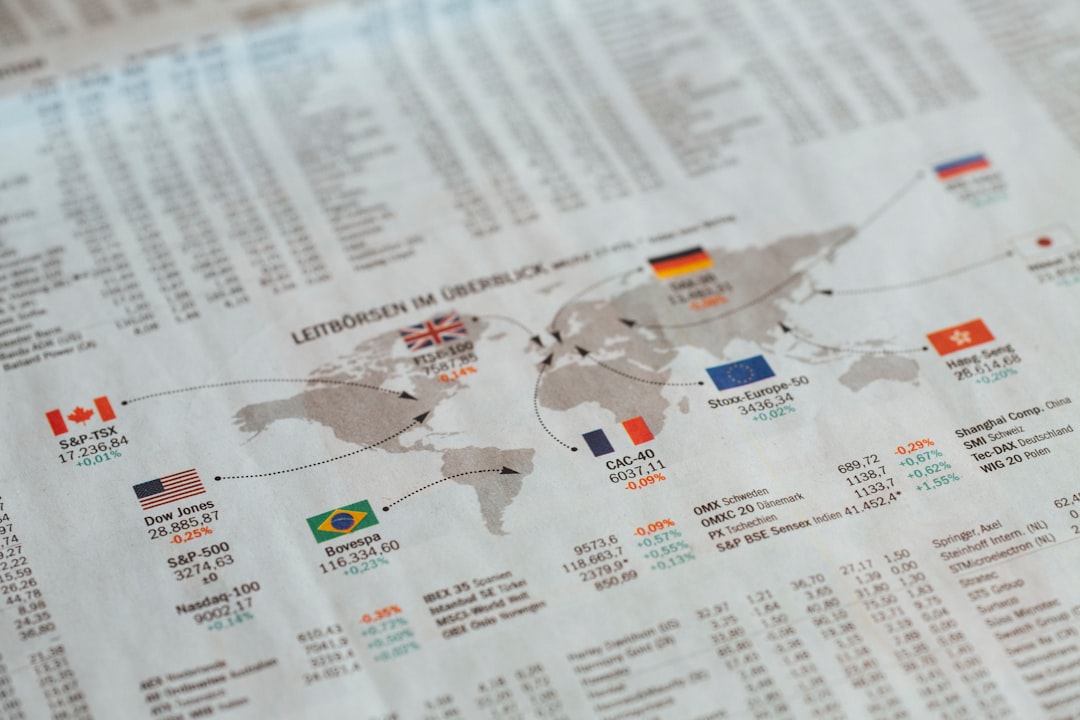
Commodities have been a cornerstone of global trade for centuries, offering investors a unique way to diversify portfolios and hedge against inflation. From gold and oil to agricultural products, commodities provide tangible assets that can weather economic storms. Whether you’re a beginner or a seasoned investor, understanding how to invest in commodities can unlock new opportunities for growth and stability.
What Are Commodities and Why Invest in Them
Commodities are raw materials or primary agricultural products that can be bought and sold, such as gold, oil, wheat, or coffee. They are categorized into hard commodities (mined or extracted) and soft commodities (grown or raised). Investing in commodities can protect against inflation, diversify your portfolio, and capitalize on global demand. Unlike stocks, commodities often move independently of traditional markets, making them a valuable hedge during economic downturns.
Different Ways to Invest in Commodities
There are several ways to gain exposure to commodities. Direct investment involves buying physical assets like gold bars or agricultural land. Futures contracts allow traders to speculate on price movements without owning the asset. Exchange traded funds (ETFs) and mutual funds offer a simpler way to invest in commodity markets without dealing with storage or logistics. Stocks of commodity producing companies are another indirect method, providing exposure while benefiting from corporate growth.
Key Factors Influencing Commodity Prices
Commodity prices are driven by supply and demand dynamics, geopolitical events, weather conditions, and currency fluctuations. For example, oil prices may spike due to political instability in producing regions, while agricultural commodities can be affected by droughts or floods. Economic growth in emerging markets also plays a significant role, as rising demand for raw materials can push prices higher. Understanding these factors is crucial for making informed investment decisions.
Risks and Rewards of Commodity Investing
Commodities can be highly volatile, with prices swinging dramatically based on external factors. While this volatility presents opportunities for profit, it also carries significant risk. Storage costs, geopolitical risks, and regulatory changes can impact returns. However, commodities often perform well during inflationary periods, offering a safeguard against currency devaluation. Balancing risk with potential rewards is key to successful commodity investing.
How to Start Investing in Commodities Today
Begin by researching the commodity markets that align with your investment goals. Consider starting with ETFs or mutual funds for diversification and ease of access. If you prefer direct exposure, explore futures trading or physical ownership through reputable dealers. Always assess your risk tolerance and consult a financial advisor if needed. Building a diversified commodity portfolio can enhance long-term returns while mitigating risks.
- For beginners Start with commodity ETFs or mutual funds for low risk exposure.
- For active traders Explore futures contracts to capitalize on short-term price movements.
- For long-term investors Consider physical commodities like gold or silver as a hedge against inflation.
- For diversification Invest in a mix of energy, metals, and agricultural commodities.
Commodities offer a powerful way to diversify your portfolio and protect against economic uncertainty. By understanding the different investment methods and key market drivers, you can make informed decisions that align with your financial goals. Whether you’re looking for stability or growth, commodities provide a range of opportunities to suit every investor. Ready to take the next step? Start exploring commodity investments today and unlock the potential of this dynamic market.
References