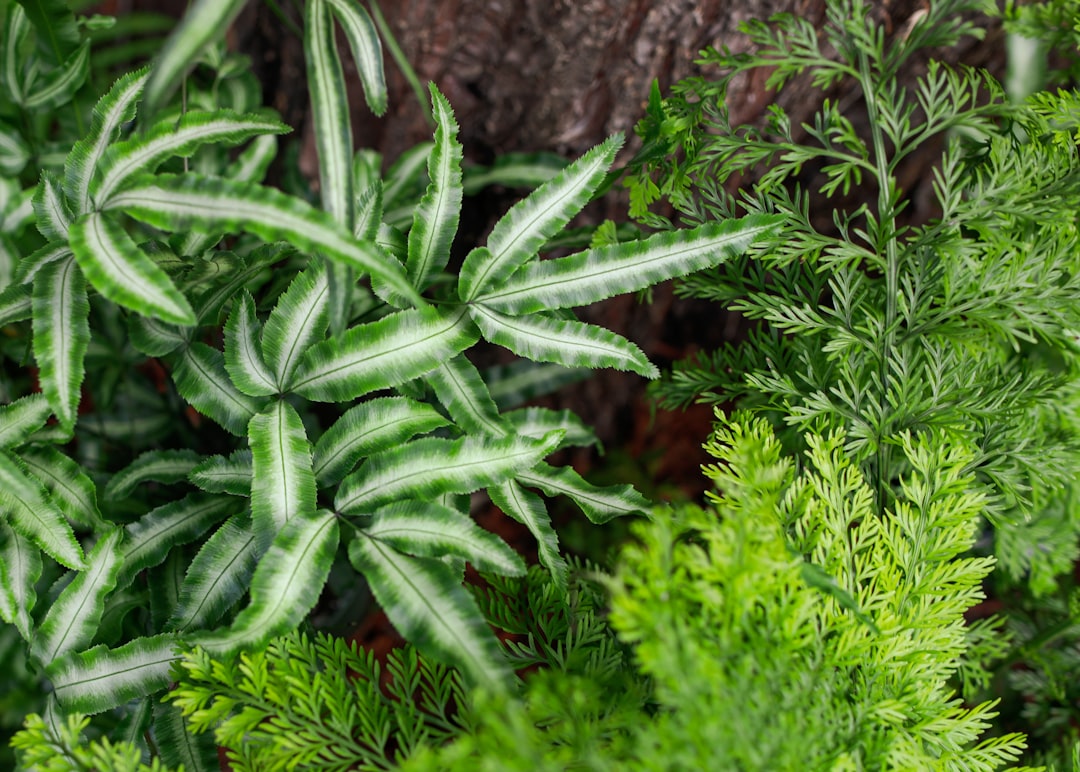
Imagine stepping into your kitchen and snipping fresh basil, parsley, or thyme straight from your own herb garden. Growing your own kitchen herbs is not only rewarding but also elevates your culinary creations with vibrant flavors and aromas. Whether you’re a seasoned gardener or a complete beginner, cultivating herbs at home is simple, cost-effective, and environmentally friendly. Discover how to start your herb garden and enjoy the freshest ingredients right at your fingertips.
Why Grow Your Own Herbs?
Growing your own herbs offers numerous benefits. Freshly picked herbs are more flavorful and aromatic than store-bought ones, which often lose their potency during transportation and storage. Additionally, having herbs readily available reduces food waste, as you can harvest only what you need. Homegrown herbs are also free from pesticides and chemicals, ensuring a healthier option for your meals. Beyond the practical advantages, tending to a herb garden can be a therapeutic and enjoyable hobby that connects you with nature.
Choosing the Right Herbs for Your Kitchen
Selecting herbs to grow depends on your cooking preferences and growing conditions. Popular choices include basil, parsley, cilantro, thyme, rosemary, and mint. Basil is perfect for Italian dishes, while cilantro adds a fresh touch to Mexican and Asian cuisines. Rosemary and thyme are hardy and ideal for roasting meats, and mint is versatile for both savory and sweet dishes. Consider your climate and available space—some herbs thrive indoors, while others need outdoor gardens. Start with a few favorites and expand as you gain confidence.
Setting Up Your Herb Garden
You don’t need a large garden to grow herbs—many thrive in pots or containers on a windowsill or balcony. Choose well draining soil and containers with drainage holes to prevent root rot. Place your herb garden in a sunny spot, as most herbs require at least six hours of sunlight daily. If natural light is limited, consider using grow lights. Water your herbs regularly but avoid overwatering, as herbs prefer slightly dry soil. With minimal effort, you’ll have a thriving herb garden ready to enhance your meals.
Caring for Your Herbs
Proper care ensures your herbs remain healthy and productive. Prune your plants regularly to encourage growth and prevent them from becoming leggy. Harvest herbs by snipping leaves or stems, but avoid removing more than one-third of the plant at a time. Fertilize sparingly, as too much can dilute the flavor of the herbs. Watch for pests like aphids or spider mites, and address them promptly with natural remedies like need oil or insecticidal soap. With consistent care, your herb garden will flourish year-round.
Using and Preserving Your Herbs
Fresh herbs can transform even the simplest dishes. Add them at the end of cooking to preserve their flavor, or use them as garnishes to enhance presentation. If you have an abundance of herbs, consider preserving them for future use. Dry herbs by hanging them upside down in a cool, dark place, or freeze them in olive oil or water in ice cube trays. These methods ensure you can enjoy your homegrown herbs even during the offseason.
- Basil Perfect for pesto, pasta, and salads.
- Parsley Adds freshness to soups, stews, and garnishes.
- Cilantro Essential for salsas, curries, and Asian dishes.
- Thyme Enhances roasted meats and vegetables.
- Mint Great for teas, desserts, and Middle Eastern cuisine.
Growing your own kitchen herbs is a simple yet impactful way to elevate your cooking and embrace a sustainable lifestyle. With minimal effort, you can enjoy fresh, flavorful herbs year-round, whether you’re garnishing a dish or experimenting with new recipes. Start small, choose your favorite herbs, and watch your garden thrive. Ready to transform your kitchen? Begin your herb growing journey today and savor the difference fresh herbs can make.
References