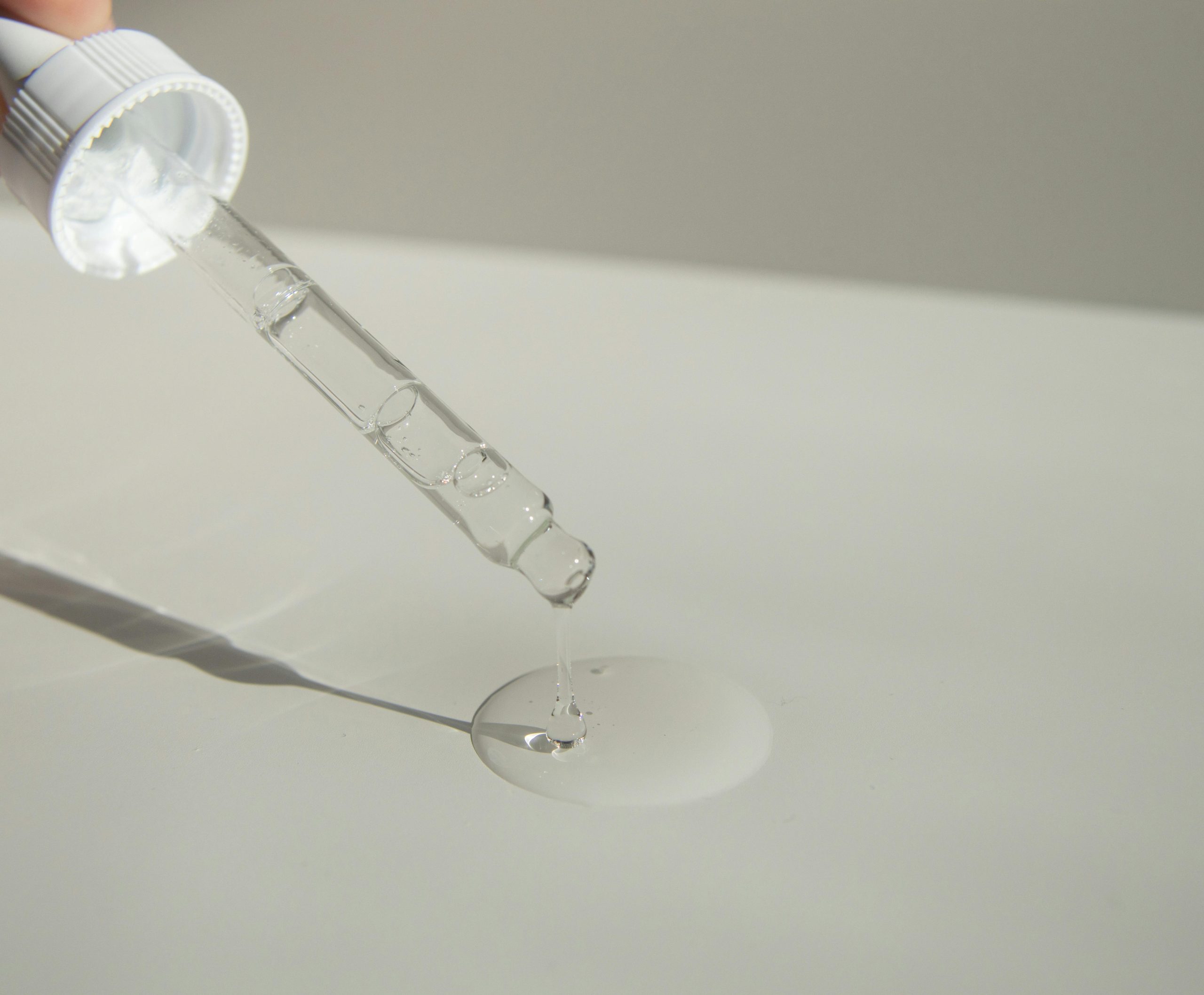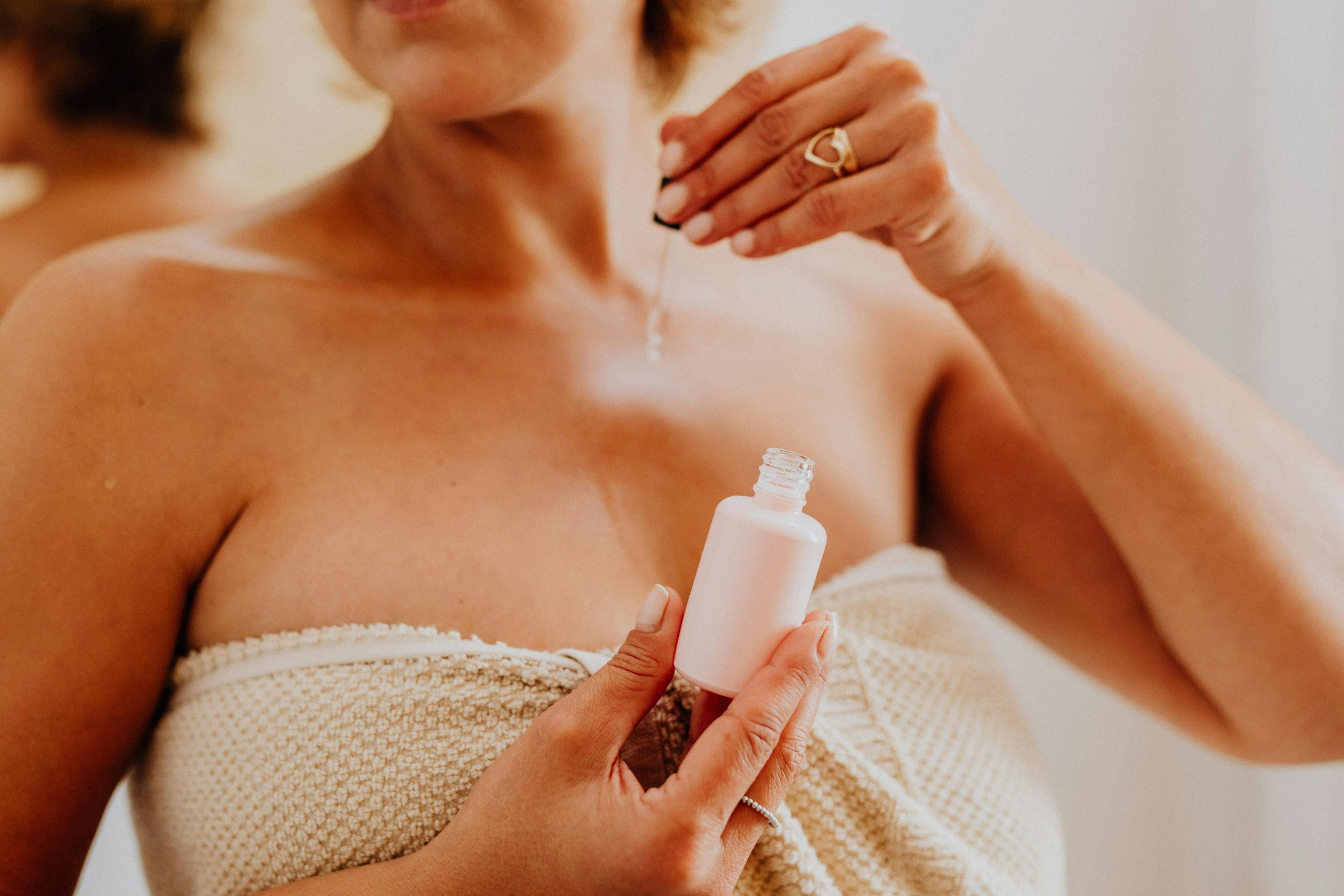
Understanding the difference between hydrating and moisturizing is crucial for achieving healthy, glowing skin. While these terms are often used interchangeably, they address distinct skin needs. Hydration replenishes water content, while moisturizing locks in that hydration with oils or emollients. This guide will break down the science behind both and help you tailor your skincare routine for optimal results.
What Hydration Really Means for Your Skin
Hydration refers to the water content within your skin cells. When your skin is dehydrated, it may appear dull, feel tight, or show fine lines more prominently. Hydrating products typically contain humectants like hyaluronic acid, glycerin, or aloe vera, which draw water into the skin. These ingredients work best when applied to damp skin or in humid environments to maximize their water-attracting properties.
How Moisturizing Works to Protect Your Skin Barrier
Moisturizing focuses on preventing water loss by reinforcing the skin’s lipid barrier. Moisturizers contain occlusive like shea butter, squalene, or dimethicone, which create a protective layer to seal in hydration. Dry skin types often benefit more from moisturizers, as their natural oil production is insufficient to maintain hydration. Without proper miniaturization, even well hydrated skin can lose water rapidly through evaporation.
Signs Your Skin Needs Hydration Versus Miniaturization
Dehydrated skin often shows temporary fine lines when pinched, while dry skin appears flaky or rough consistently. Oily skin can still be dehydrated, manifesting as both shine and tightness. Combination skin may need targeted approaches hydrating serums for dehydrated areas and lighter moisturizers for oilier zones. Understanding these signals helps you address your skin’s true needs rather than following generic product recommendations.
Layering Hydration and Miniaturization for Best Results
The most effective skincare routines incorporate both hydration and miniaturization. Start with hydrating toners or essences on clean, slightly damp skin. Follow with a hydrating serum containing humectants. Then apply your moisturizer to lock everything in. At night, you might add an occlusive like petroleum jelly for extra protection. This “sandwich method” ensures hydration penetrates deep while being effectively retained.
Choosing Products Based on Your Skin Type
Oily or acne prone skin often benefits from lightweight hydra tors like hyaluronic acid serums paired with oil free moisturizers. Dry skin may need richer creams with ceramics and fatty acids. Mature skin typically requires both intense hydration and deep miniaturization to combat natural moisture barrier degradation. Always consider your environment too humid climates need lighter formulations than arid ones.
- For dehydrated skin Look for hyaluronic acid, glycerin, or honey extracts
- For dry skin Seek ceramics, squalene, or shea butter
- For combination skin Use light hydra tors all over with targeted moisturizing on dry areas
- For sensitive skin Choose fragrance free options with soothing ingredients like oat extract
Mastering the balance between hydration and miniaturization transforms your skincare from guesswork to precision science. Start by assessing your skin’s current needs, then build a routine that addresses both water content and moisture retention. Remember that skin needs change with seasons, age, and environment, so stay observant and adjust accordingly.
Ready to revolutionize your skincare approach? Begin by examining your current products do they hydrate, moisturize, or both? Share your experiences or questions in the comments below, and don’t forget to bookmark this guide for future reference.
References